


Essential Tips for First-Time Visitors to Southern Thailand
From island ferries to temple visits, travel in Southern Thailand involves practical considerations that are not always obvious to first-time visitors. Seasonal weather patterns, transport safety, local etiquette and payment preferences all influence how smoothly a trip unfolds. This article outlines the most relevant tips and considerations to help travellers plan efficiently and avoid common issues while exploring the region.
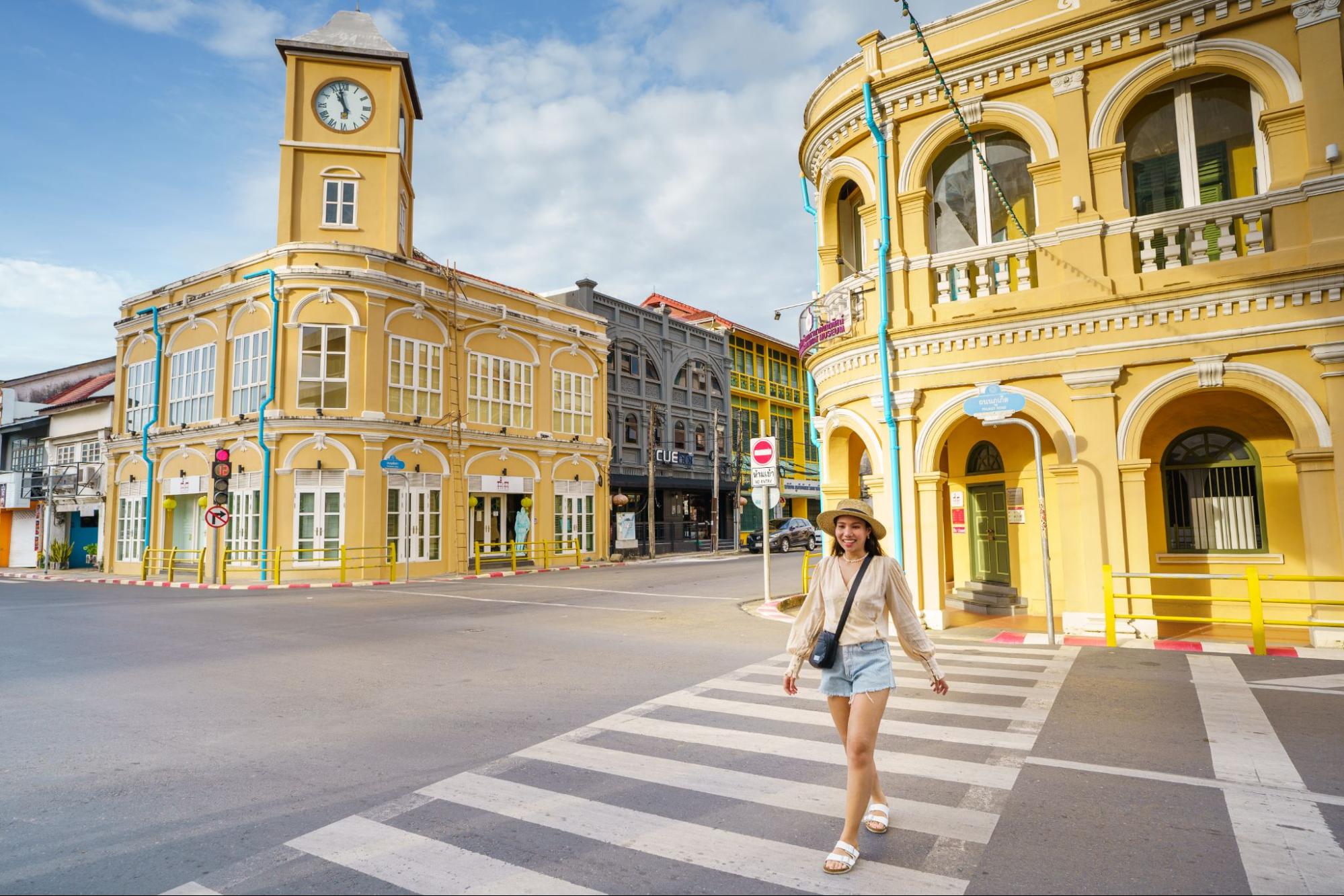
1. Travel Planning Essentials
Choosing Destinations Wisely
Southern Thailand covers a broad geographic area, and first-time visitors often underestimate the distances and travel time involved. Moving between provinces, islands and coastal areas frequently requires a combination of flights, buses and ferries, each affected by weather and seasonal demand. Focusing on one coastal region rather than attempting to cover both the Andaman Sea and the Gulf of Thailand within a short trip usually results in a more manageable and relaxed itinerary.
Well-connected entry points such as Phuket and Krabi appeal to many first-time visitors due to their transport links, accommodation variety and access to organised tours. Island destinations such as Koh Samui or Koh Tao offer a different pace but require additional transfers, which should be factored into travel plans.
Timing and Seasonal Considerations
Travel conditions vary throughout the year, particularly due to monsoon patterns that affect sea conditions and ferry reliability. The period from November to March is generally considered the most stable for outdoor activities and island travel. Travelling outside these months can still be rewarding, but itineraries benefit from added flexibility and contingency planning.
2. Safety and Health Considerations
Managing Heat and Humidity
The tropical climate can be physically demanding, especially for travellers unfamiliar with prolonged heat and humidity. Dehydration and fatigue are common when activities are packed too tightly into the day. Adjusting schedules, taking regular breaks and maintaining hydration significantly improves comfort and stamina.
Beach and Marine Awareness
Sea conditions can change quickly, particularly during wetter months. Beach safety flags, local advisories and guidance from tour operators should always be followed. Strong currents and seasonal marine life are occasional risks, making awareness essential for swimming and snorkelling activities.
Road and Transport Safety
Road safety remains an important consideration across Southern Thailand, especially for visitors considering motorbike rentals. Traffic patterns, road surfaces and insurance limitations can increase risk for inexperienced riders. Licensed taxis, ride-hailing services and organised transfers are often safer alternatives for first-time visitors.
3. Cultural Etiquette and Local Norms
Behaviour and Social Conduct
Daily interactions in Southern Thailand place emphasis on politeness, patience and composure. Public displays of frustration or confrontation are generally discouraged. A calm manner and respectful communication contribute to smoother interactions in both formal and informal settings.
Dress and Temple Etiquette
Religious sites are an important part of local life. Visitors are expected to dress modestly, remove shoes where required and follow posted guidelines. Observing these practices reflects cultural awareness and helps maintain respectful access to shared spaces.
4. Accommodation and Connectivity
Choosing Where to Stay
Accommodation choices influence convenience, transport access and overall comfort. First-time visitors often prefer established hubs such as Phuket, Krabi and Koh Samui, where transport links, medical facilities and dining options are readily available. These areas also host a range of resort brands, including Beyond Group Resort, which are commonly selected for their locations, amenities and organised excursion options.
Staying Connected
Mobile connectivity is reliable across most of Southern Thailand. Local SIM cards and eSIMs are widely available and support navigation, bookings and communication throughout the trip. Consistent internet access reduces reliance on fixed schedules and printed information.
5. Money and Budgeting
Cash and Card Use
Cash remains widely used for everyday transactions, particularly in markets, local transport and smaller establishments. While card payments are accepted in many hotels and restaurants, carrying cash is still necessary. ATM withdrawal fees are standard, making fewer, larger withdrawals more cost-effective.
Daily Spending Expectations
Daily expenses vary depending on accommodation standards, dining choices and activity selection. Southern Thailand offers a broad range of options, allowing travellers to balance comfort and cost according to their preferences.
6. Packing and Preparation
Packing light is recommended due to the warm climate and widespread availability of essentials locally. Lightweight clothing, rain protection and appropriate footwear improve daily comfort. Laundry services are affordable and common, reducing the need for extensive packing.

7. Experiences Worth Prioritising
Beaches and Natural Landscapes
Beaches and coastal scenery are central to the Southern Thailand experience. Seasonal conditions influence visibility, sea state and access, so flexible planning helps maximise enjoyment.
Markets and Local Culture
Night markets and floating markets provide insight into regional food culture and daily routines. These environments offer accessible ways to experience local life beyond resort settings.
Conclusion
For first-time visitors, successful travel in Southern Thailand relies on realistic planning, seasonal awareness, respect for local customs and informed transport decisions. Addressing these considerations early reduces common travel challenges and allows visitors to focus on the region’s landscapes, food and cultural experiences.