How to Plan a Seamless Meeting or Event at a Southern Thailand Resort
Southern Thailand has become a preferred destination for corporate meetings, conferences, incentive programmes, and professional events, supported by a strong resort ecosystem and a steadily expanding MICE infrastructure. Destinations such as Phuket, Krabi, Koh Samui, and Khao Lak offer modern meeting facilities alongside integrated accommodation and leisure environments that appeal to both regional and international organisers. Established hospitality operators such as Beyond Group Resort contribute to this ecosystem by supporting resort based meetings and events across different destinations in the region.
This guide explores the essential components, benefits, planning flow, and best practices for organising meetings and events at Southern Thailand resorts, with a focus on creating well coordinated and engaging programmes.
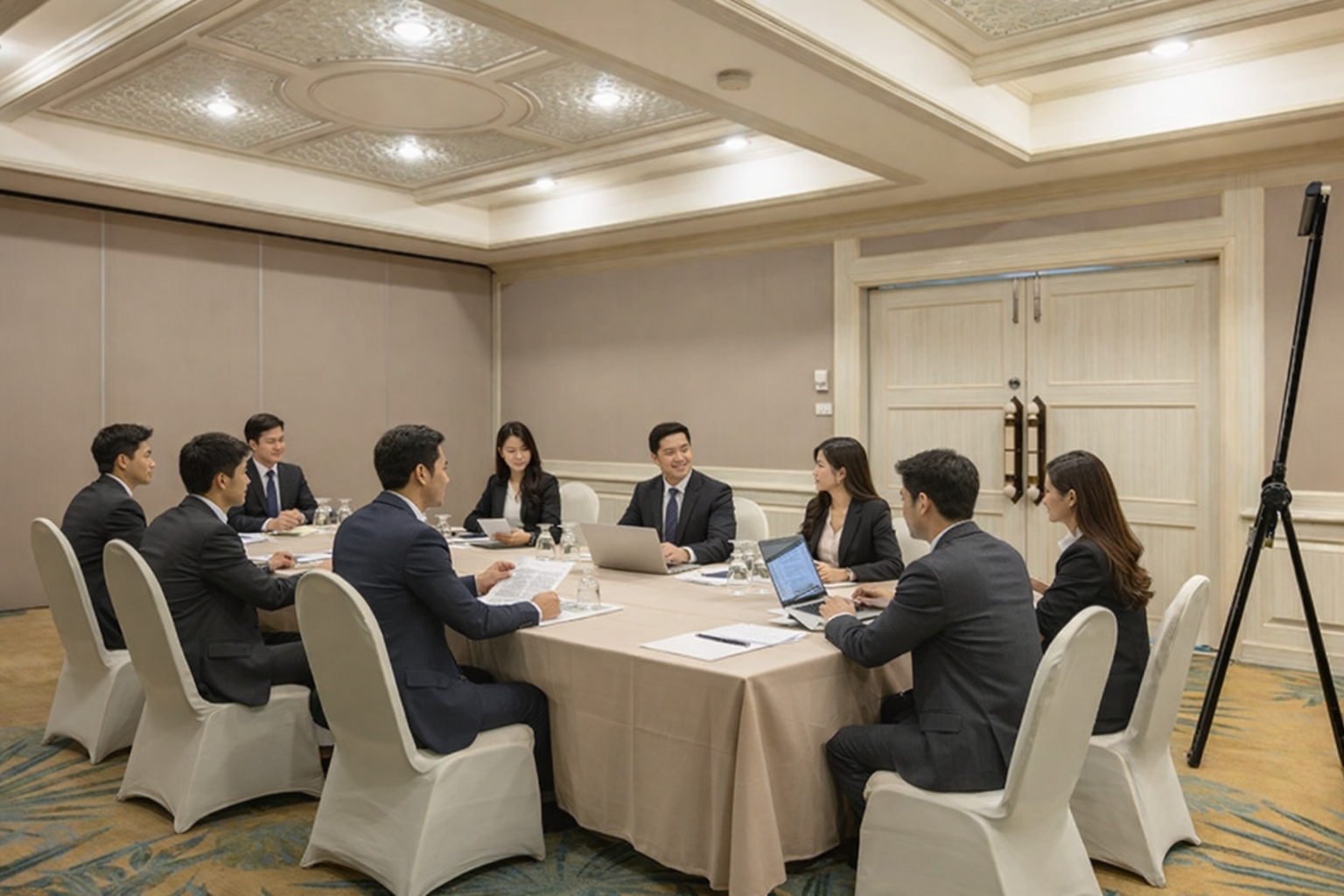
Key Components of Meetings and Events in Southern Thailand Resorts
Venue Selection and Infrastructure
Venue selection is a central consideration when planning meetings or events in Southern Thailand. Resorts in the region typically offer a combination of ballrooms, flexible meeting rooms, and outdoor spaces that can be adapted to suit conferences, workshops, receptions, and networking sessions. These venues are commonly supported by built in audio visual systems and reliable internet connectivity, allowing organisers to host different segments of an event within a single property.
Having multiple venue types within one resort improves programme flow, reduces transition time between sessions, and helps maintain attendee focus throughout the event.
On Site Planning and Operational Support
Most resorts in Southern Thailand provide dedicated meetings and events teams that work closely with organisers from the early planning stage through to on site execution. These teams support space planning, scheduling, technical coordination, and service alignment across departments. Their involvement helps ensure that room setups reflect the agenda accurately and that catering, technology, and hospitality services operate in sync.
This level of on site coordination significantly reduces operational friction and allows organisers to focus on content and attendee engagement rather than logistics.
Accommodation and Attendee Logistics
One of the key advantages of resort based meetings is the integration of accommodation, meeting venues, dining, and leisure facilities within a single location. This simplifies attendee logistics and creates a more seamless experience. Group room allocations, coordinated check in processes, and centralised scheduling contribute to punctuality and comfort, particularly for multi day programmes.
When transportation and way-finding are well managed, attendees are able to move easily between sessions, meals, and activities, which improves overall satisfaction.

Benefits of Hosting Meetings and Events at Southern Thailand Resorts
Enhanced Delegate Engagement
Natural surroundings such as beaches, tropical landscapes, and open air venues create an environment that encourages interaction and sustained attention. Delegates often respond more positively in settings that balance structured sessions with moments of relaxation, leading to higher engagement levels.
Integrated Event Ecosystem
Resorts operate as self contained ecosystems where accommodation, meeting facilities, dining, and leisure coexist. This integration reduces reliance on external transport and minimises disruptions to the programme schedule, allowing events to run more smoothly.
Added Value Through Local Experiences
Incorporating local elements such as regional cuisine, cultural performances, wellness activities, or guided excursions adds depth to the event programme. These experiences help distinguish resort based events from standard meetings and contribute to stronger attendee recall.
Planning Flow for Resort Based Meetings and Events
Establish Objectives and Parameters
Clear objectives provide direction for all planning decisions. Defining the purpose, audience size, duration, and budget at an early stage helps organisers align venue selection and service requirements with desired outcomes.
Conduct Venue Reviews and Site Inspections
Venue reviews, whether conducted in person or through detailed virtual walkthroughs, allow planners to assess layout suitability, technical readiness, and overall atmosphere. This step is critical in identifying potential constraints and opportunities before final commitments are made.
Build a Structured Programme
A well structured programme balances formal sessions with breaks, meals, and optional activities. Allowing sufficient time between sessions helps maintain energy levels and ensures that attendees remain engaged throughout the event.
Confirm Vendors and Service Coordination
Early confirmation of catering, technical support, décor, and transportation providers ensures that all parties operate under a shared timeline and clear expectations. Consistent communication across vendors supports smooth execution.
Best Practices for Seamless Execution
Successful events are often the result of early preparation, clear communication, and flexible planning. Allowing buffer time within the programme, maintaining close coordination with on site teams, and balancing structured content with informal interaction all contribute to smoother execution and stronger attendee experiences.
Conclusion
Southern Thailand resorts provide a compelling setting for meetings and events that prioritise both efficiency and experience. By leveraging integrated venues, professional on site support, and destination specific advantages, organisers can deliver programmes that are well coordinated, engaging, and memorable.