


The Best Time of Year to Visit Southern Thailand for Leisure or Business
The best time to visit Southern Thailand is closely tied to the region’s unique climate patterns, which vary not only by season but also by coastline. Southern Thailand stretches between the Andaman Sea and the Gulf of Thailand, creating weather conditions that shift throughout the year and differ noticeably from one side of the peninsula to the other. These variations influence when beaches are at their best, when travel is most comfortable and when business events can be planned with minimal disruption.
For leisure travellers, timing affects everything from sea clarity and island accessibility to crowd levels and accommodation prices. For business travellers, particularly those planning meetings, incentive trips or corporate retreats, seasonality can determine logistical reliability and overall event success. Understanding how Southern Thailand’s seasons work is essential for choosing travel dates that align with both expectations and objectives.
This article explores Southern Thailand’s climate, explains how seasonal changes affect travel experiences and highlights the best times of year for leisure and business travel, helping readers make informed decisions based on weather, cost and purpose.
Southern Thailand’s Climate and Seasonal Patterns
Southern Thailand experiences a tropical climate throughout the year, with warm temperatures that generally range between the high twenties and low thirties in degrees Celsius. Rather than four traditional seasons, the region follows a cycle shaped by monsoon winds, which bring alternating dry and wet periods.
What makes Southern Thailand distinctive is the way these monsoons affect the region unevenly. The Andaman Coast on the west and the Gulf Coast on the east do not experience rainfall at the same time or with the same intensity. This geographical difference is one of the most important factors to consider when planning travel.
The southwest monsoon typically affects the Andaman Coast from May to October, bringing heavier rainfall and rougher sea conditions. During this period, strong winds and waves can limit marine activities and occasionally disrupt ferry services. In contrast, the northeast monsoon influences the Gulf Coast more strongly between October and December, meaning islands in this region may experience their wettest months when the Andaman Coast is beginning to dry out.
Because of this alternating pattern, Southern Thailand offers opportunities for travel throughout the year, provided travellers choose destinations that match seasonal conditions.
The Andaman Coast, Dry Season Travel and Peak Conditions
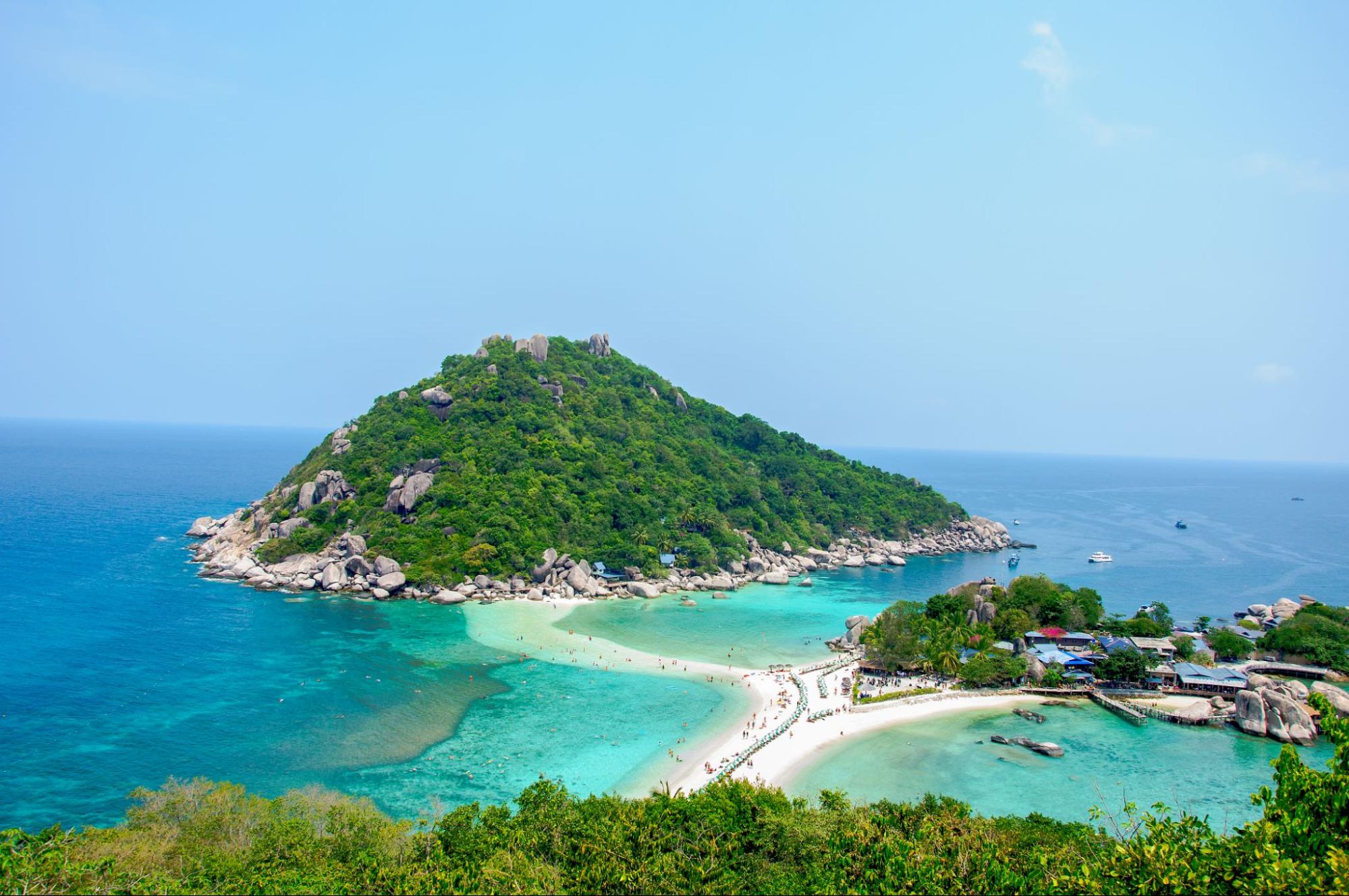
The Andaman Coast, home to destinations such as Phuket, Krabi and Khao Lak, is most popular during the dry season from November to April. This period is characterised by lower rainfall, calmer seas and higher visibility in the water, making it ideal for beach holidays, snorkelling and diving.
December to February is often considered the most comfortable time to visit. Temperatures are slightly cooler than during other months, humidity is lower and outdoor activities can be enjoyed throughout the day. These conditions make this period especially appealing for travellers seeking relaxed beach experiences or active itineraries that include sightseeing and excursions.
However, these advantages come with trade-offs. The dry season also coincides with peak tourism demand. Flights, resorts and tours are in high demand, and prices reflect this increased interest. Popular beaches and attractions can feel crowded, particularly during holiday periods such as Christmas and New Year.
March and April remain part of the dry season, although temperatures rise noticeably. These months appeal to travellers who prioritise sunshine and sea conditions over cooler weather, but the heat can be intense, especially inland or during midday hours.
Monsoon Season on the Andaman Coast and What It Means for Travellers
From May to October, the southwest monsoon brings more frequent rainfall to the Andaman Coast. Sea conditions become less predictable, and some islands and marine parks close temporarily for safety and environmental reasons. While this period is often labelled as the low season, it does not necessarily mean constant rain or unworkable conditions.
Rainfall during these months often occurs in short, heavy bursts, particularly in the afternoons, leaving mornings and evenings relatively clear. The landscape becomes greener, waterfalls are more active and tourist numbers decrease significantly. For travellers who value quieter surroundings and lower prices, this season can be appealing.
That said, flexibility is key. Activities that depend heavily on calm seas may be limited, and travel plans should allow room for weather-related changes. This season is better suited to travellers who prefer a slower pace and do not mind adjusting itineraries as conditions shift.
The Gulf of Thailand, A Different Seasonal Rhythm
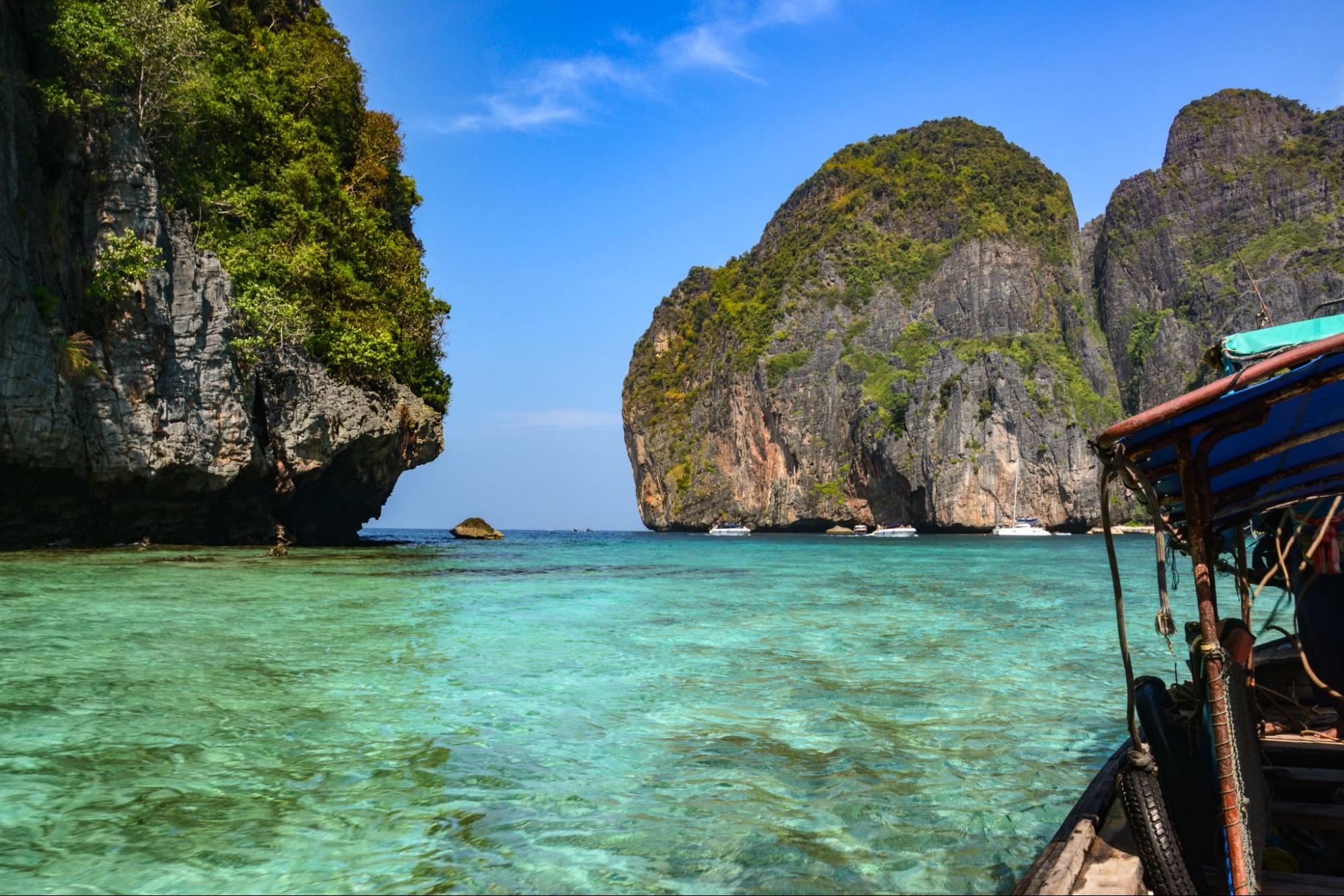
The Gulf Coast follows a different weather cycle, which makes it an attractive alternative when the Andaman Coast experiences heavier rainfall. Destinations such as Koh Samui, Koh Phangan and Koh Tao often enjoy relatively stable weather from January through September, even during months when other parts of Thailand are affected by monsoon rains.
This extended dry period allows for beach travel, diving and island hopping across much of the year. While rainfall does occur, it is typically lighter and less disruptive than on the Andaman side during the same months. As a result, the Gulf Coast has become a popular choice for travellers seeking flexibility in travel dates.
The wettest period for the Gulf Coast usually falls between October and December, when the northeast monsoon brings increased rainfall and occasional storms. During this time, sea conditions may be less suitable for marine activities, although the impact is often shorter-lived than the monsoon season on the Andaman Coast.
Best Time to Visit Southern Thailand for Leisure Travel
For leisure travellers, the ideal time to visit Southern Thailand depends on priorities such as weather comfort, crowd tolerance and budget. Those seeking classic beach conditions with minimal risk of disruption will find the dry season on the Andaman Coast, from November to April, particularly appealing.
Travellers who prefer fewer crowds and better value may find shoulder periods more suitable. Late April and early May, as well as September, can offer a balance between acceptable weather and reduced tourist numbers. During these times, travellers can still enjoy beaches and outdoor activities while benefiting from lower accommodation rates.
The Gulf Coast provides additional flexibility for leisure travel. Its longer dry period allows visitors to plan beach holidays outside traditional peak months, making it a useful option for those travelling during the European summer or seeking alternatives during the Andaman monsoon.
Why Timing Matters for Travel Experience
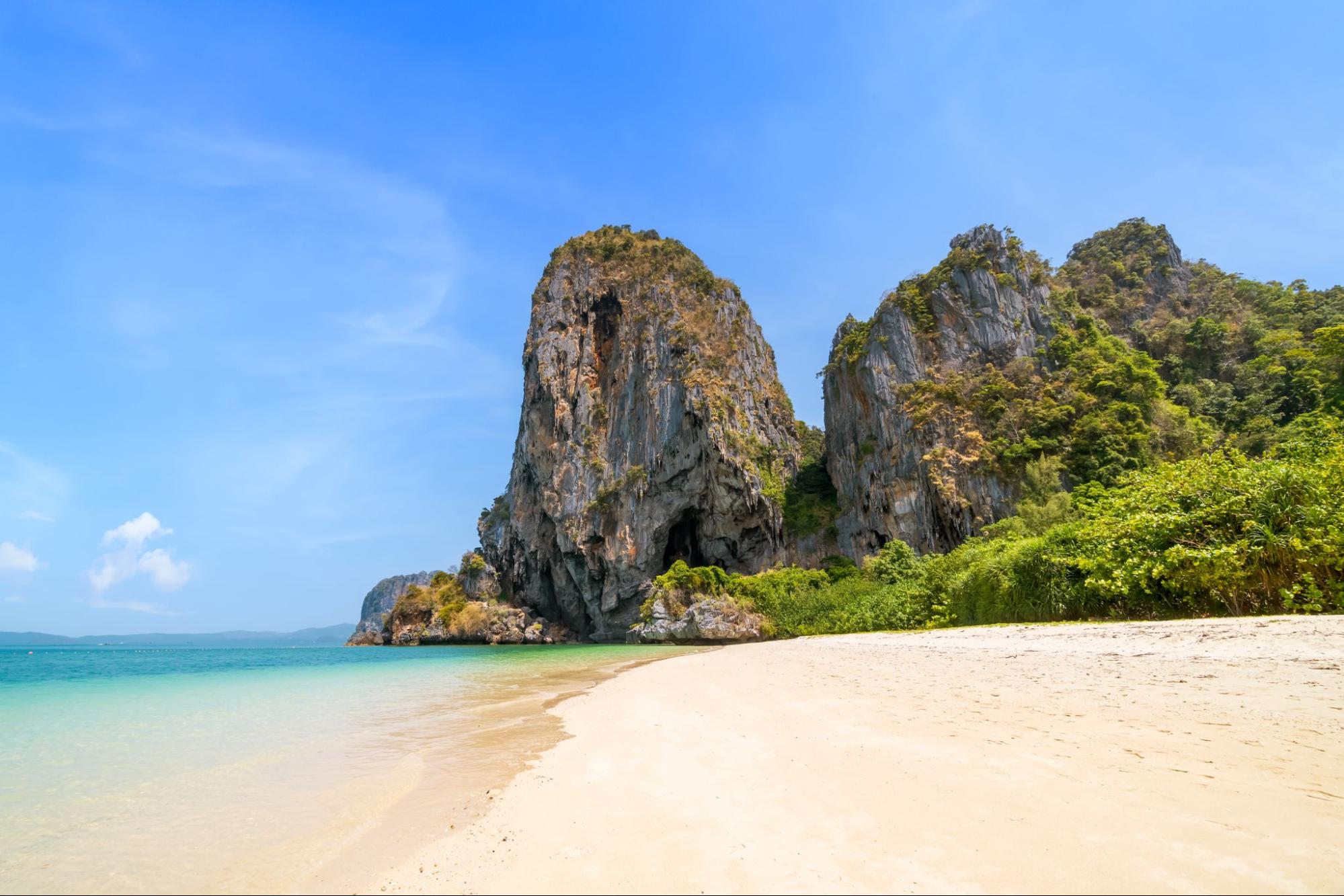
Seasonality in Southern Thailand affects more than just rainfall. Sea conditions influence the availability of boat transfers and excursions, while visibility affects diving quality. High humidity and heat can shape daily routines, making early mornings and late afternoons more comfortable for outdoor activities during hotter months.
Crowd levels also fluctuate with the seasons. Popular destinations can feel dramatically different depending on when you visit. During peak months, energy and nightlife are high, but privacy and tranquillity may be limited. In quieter periods, beaches are less crowded, service can feel more personal and the overall pace slows down.
Business Travel and Event Planning in Southern Thailand
For business travellers, seasonality plays a crucial role in planning successful trips and events. Weather reliability affects transportation schedules, venue accessibility and the feasibility of outdoor activities, which are often integral to corporate retreats and incentive programmes.
The most dependable period for business travel in Southern Thailand is generally from November to February. During these months, stable weather conditions reduce the likelihood of disruptions, making it easier to coordinate multi-day events and group activities.
While peak season offers predictability, it also comes with higher costs and limited availability. Some organisations choose to plan events during shoulder periods to balance cost and risk. Events scheduled during the rainy season are possible when programmes are designed around indoor venues and flexible schedules.
Conclusion
The best time to visit Southern Thailand for leisure or business is shaped by seasonal weather patterns, regional differences and travel purpose. The dry season from November to April on the Andaman Coast and the extended dry period from January to September on the Gulf Coast provide the most reliable conditions for beach travel and outdoor activities.
By understanding how Southern Thailand’s seasons affect weather, crowds and pricing, travellers can choose travel dates that enhance comfort, value and overall experience, ensuring their visit aligns with both expectations and objectives.