


Why Southern Thailand is the Ultimate Destination for Every Traveler
Southern Thailand continues to rank among the most sought-after travel regions in Southeast Asia due to its combination of coastal landscapes, inland nature, and well-developed tourism infrastructure. Positioned between two seas and supported by extensive transport links, the region attracts a broad range of international and regional travellers each year. Tourism data from Thailand’s travel authorities consistently shows strong visitor demand across both peak and shoulder seasons.
This article presents a destination overview of Southern Thailand, covering its geographical advantages, natural environments, resort and travel ecosystem, traveller suitability, and sustainability considerations.
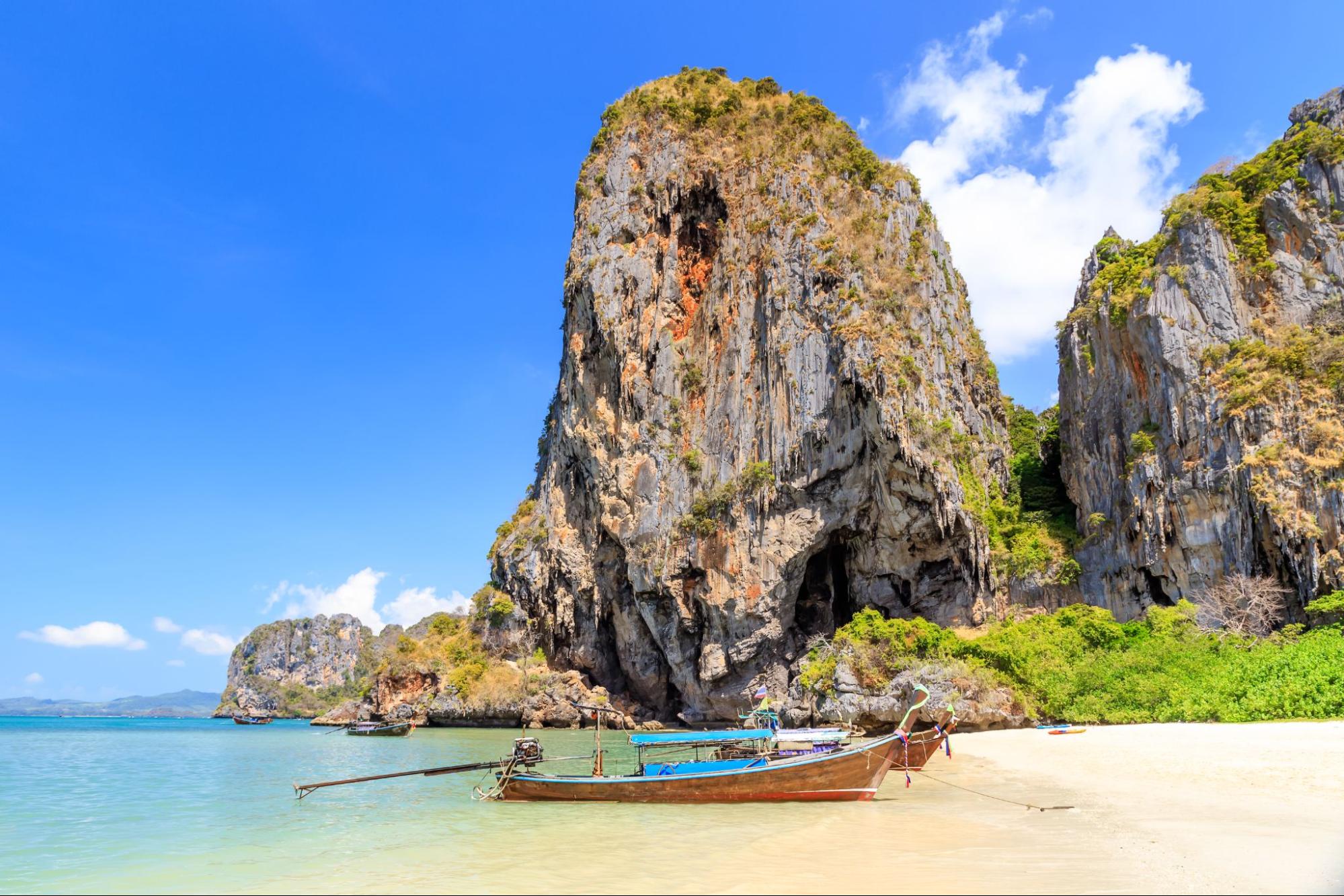
Southern Thailand as a Travel Region
The region encompasses multiple provinces, including Phuket, Krabi, Phang Nga, Surat Thani, and Nakhon Si Thammarat. Each area contributes distinct experiences while remaining well connected through air, road, and sea transport.
What distinguishes the region is its ability to offer contrasting environments within short travel distances, allowing visitors to combine coastal, island, and inland experiences in a single itinerary.
Geographical Structure and Accessibility
Southern Thailand’s physical layout plays a central role in shaping travel patterns and visitor flow.
- Andaman Sea coastline featuring limestone cliffs, offshore islands, and protected marine zones
- Gulf of Thailand coastline known for calmer waters and consistent island access throughout the year
- Inland areas characterised by rainforests, lakes, caves, and waterfalls
International gateways such as Phuket International Airport and Surat Thani Airport support high visitor volumes while facilitating onward travel to smaller destinations.
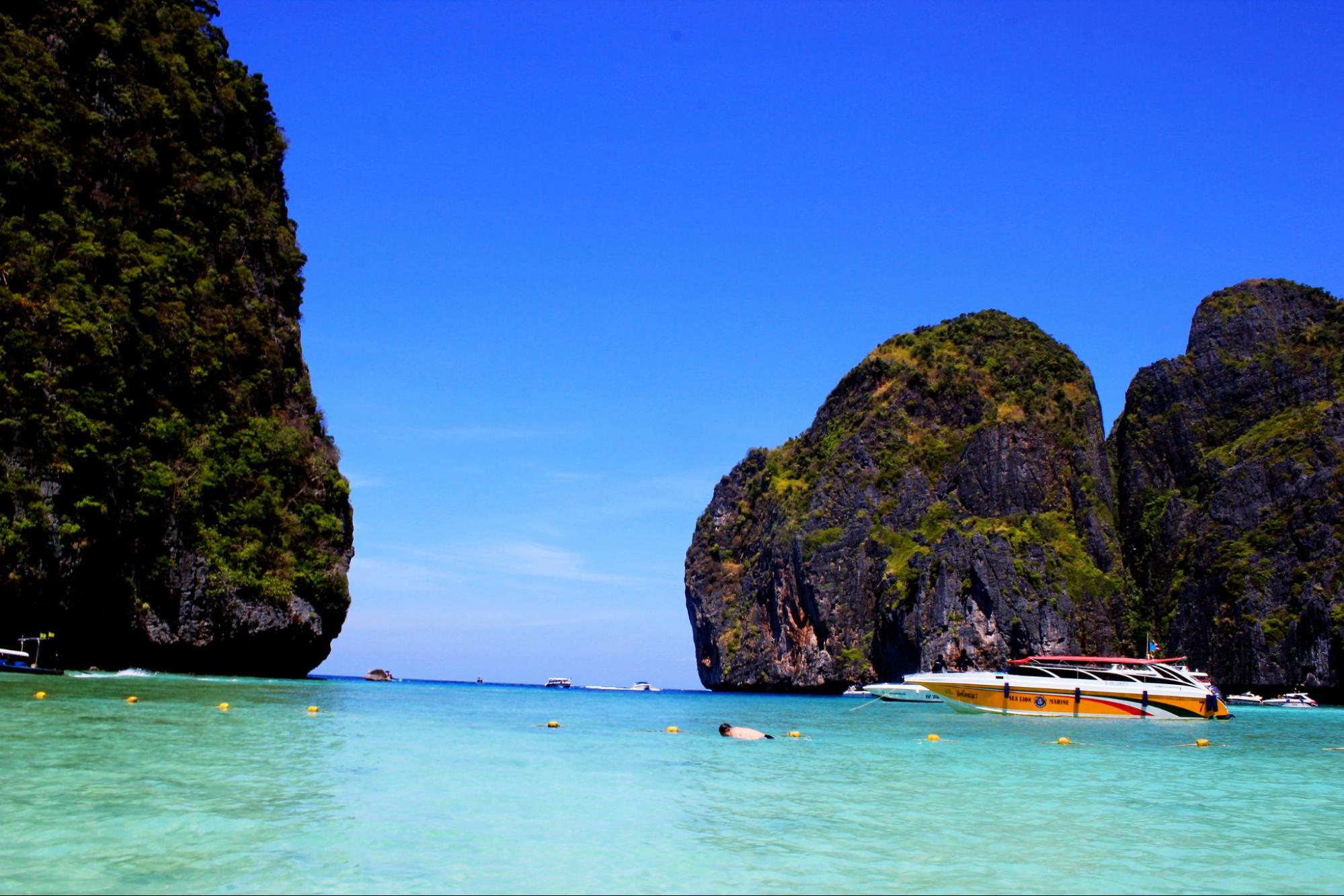
Natural Diversity as a Destination Advantage
Natural diversity remains one of the strongest attributes supporting Southern Thailand’s long-term appeal. Coastal and inland environments coexist within a relatively compact region.
Beaches and Island Landscapes
The southern coastline and surrounding islands are internationally recognised for their scenic quality and marine biodiversity.
- Extensive white-sand beaches along both coastlines
- Coral reef systems protected within marine national parks
- Island clusters suitable for both short excursions and extended stays
These features support activities such as snorkelling, diving, and kayaking while maintaining strong visual appeal.
Rainforests and National Parks
Beyond the coast, inland national parks provide a contrasting travel environment focused on conservation and eco-based tourism. Rainforest reserves, freshwater lakes, and wildlife habitats allow visitors to experience nature-focused activities that complement coastal travel.
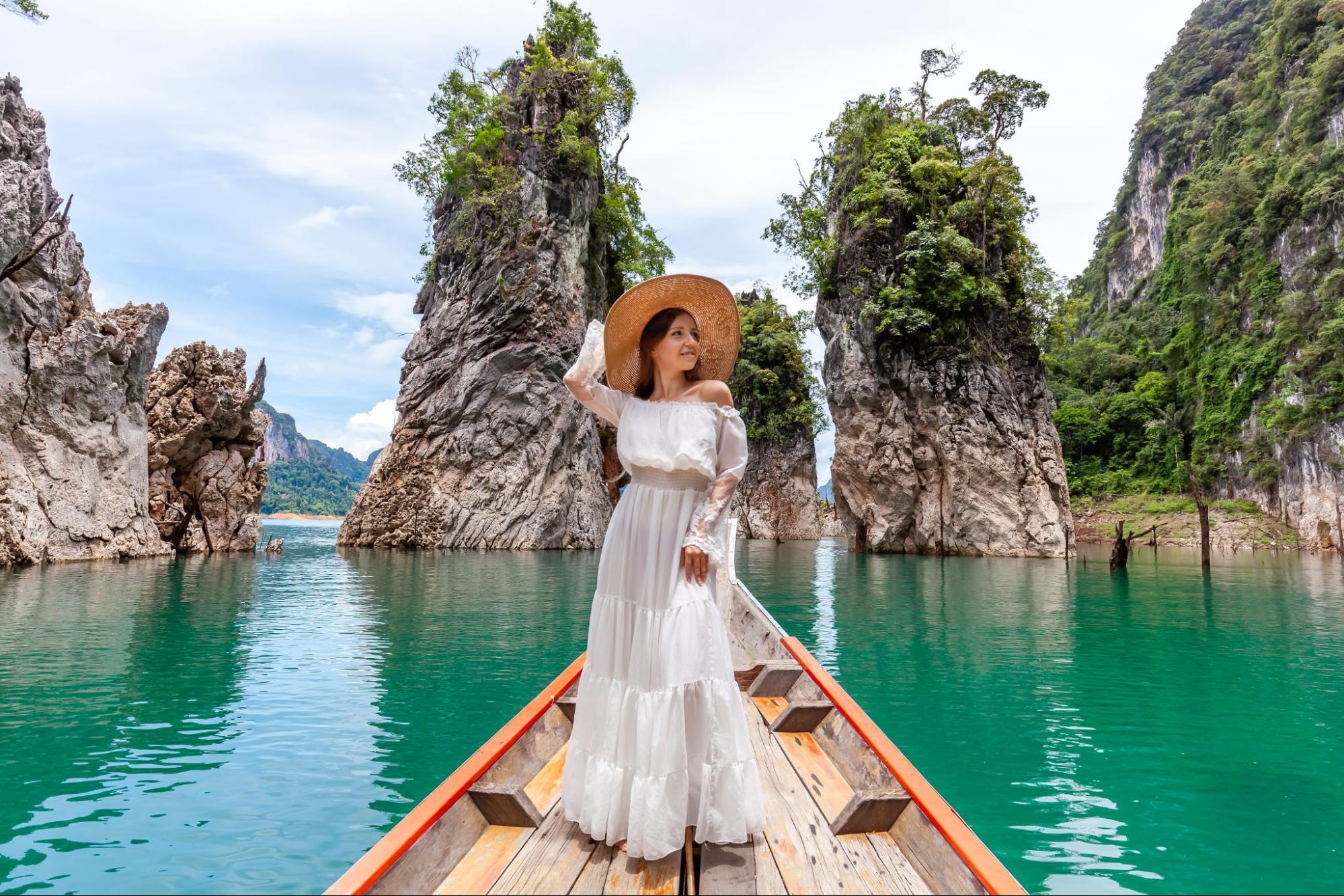
Resort and Travel Experiences in Southern Thailand
The region’s tourism development has resulted in a diverse resort and accommodation landscape designed to meet varying travel preferences and budgets.
Resort Ecosystem and Hospitality Offerings
Southern Thailand’s resort sector includes beachfront resorts, wellness retreats, eco-lodges, and family-oriented properties. International hospitality brands operate alongside locally managed resorts, contributing to a broad range of service styles and price points.
Established hospitality operators, including Beyond Group Resort, form part of this ecosystem by developing resorts that integrate natural surroundings with modern travel expectations.
Activities and Experience Design
Travel experiences in Southern Thailand extend beyond accommodation and scenery, offering a wide variety of land- and sea-based activities across the region.
Marine Experiences
- Diving and snorkelling in coral-rich waters
- Island hopping across protected marine zones
- Kayaking through coastal caves and lagoons
Adventure and Nature-Based Activities
- Rock climbing in limestone coastal areas
- Jungle trekking and guided rainforest walks
- Exploration of caves, waterfalls, and inland trails
Wellness and Leisure Experiences
- Spa and wellness programmes
- Yoga and mindfulness retreats
- Beachfront relaxation and slow travel experiences
Traveller Suitability Across Segments
Southern Thailand appeals to a wide range of traveller profiles due to its infrastructure, safety standards, and experience variety.
- Families benefit from resort facilities, calm beaches, and accessible transport
- Couples and honeymooners seek privacy, scenery, and wellness-focused stays
- Adventure travellers are drawn to marine and rainforest-based activities
- Extended-stay visitors value lifestyle balance and regional connectivity
While some destinations focus on a single niche, Southern Thailand supports multiple travel motivations within one region.
Conclusion
Southern Thailand’s strength as a travel destination lies in its combination of natural variety, established resort infrastructure, and suitability for diverse traveller needs. Coastal scenery, inland nature, and mature tourism services work together to create a flexible and rewarding travel environment.
For travellers seeking both depth and variety within a single region, Southern Thailand continues to offer a compelling choice. Further exploration of individual provinces or themed itineraries can help visitors tailor their experience to personal interests.